“Sometimes the most spiritual thing you can do is turn everything off and listen.”
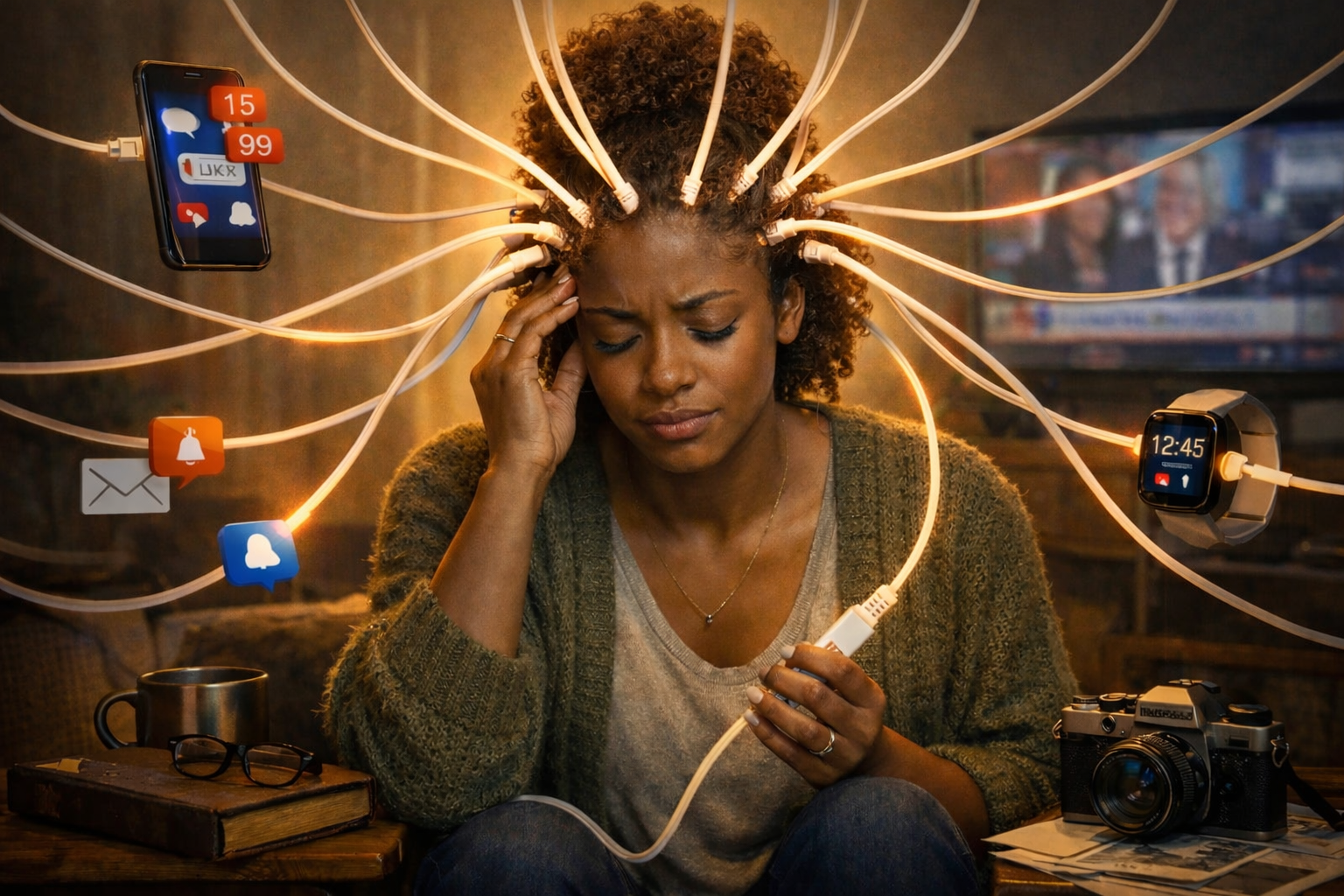
We live in a world that never stops talking. Notifications buzz, screens glow, and voices compete for attention. The noise is constant — digital, emotional, spiritual. It’s easy to confuse connection with communion, activity with purpose, and scrolling with seeking. But the truth is, constant connectivity can quietly disconnect us from ourselves, from others, and from God. Learning to unplug is not about rejecting technology; it’s about reclaiming peace. It’s about remembering that silence is not empty — it’s sacred.
Unplugging begins with awareness. You can’t heal what you don’t acknowledge. The endless stream of information, opinions, and updates can numb your spirit. It can make you reactive instead of reflective, distracted instead of discerning. When you learn to unplug, you begin to notice how much noise you’ve allowed into your soul. You start to see how your attention has been divided, your energy drained, and your peace disturbed. You realize that your spirit was never meant to run on Wi‑Fi — it was meant to rest in worship.
Technology is a tool, not a master. It was created to serve you, not to consume you. But when you never unplug, it becomes a subtle idol — demanding your time, shaping your thoughts, and influencing your emotions. You start to measure your worth by likes, your joy by views, and your peace by comments. You start living for validation instead of revelation. Learning to unplug means breaking that cycle. It means reminding yourself that your value is not digital — it’s divine.
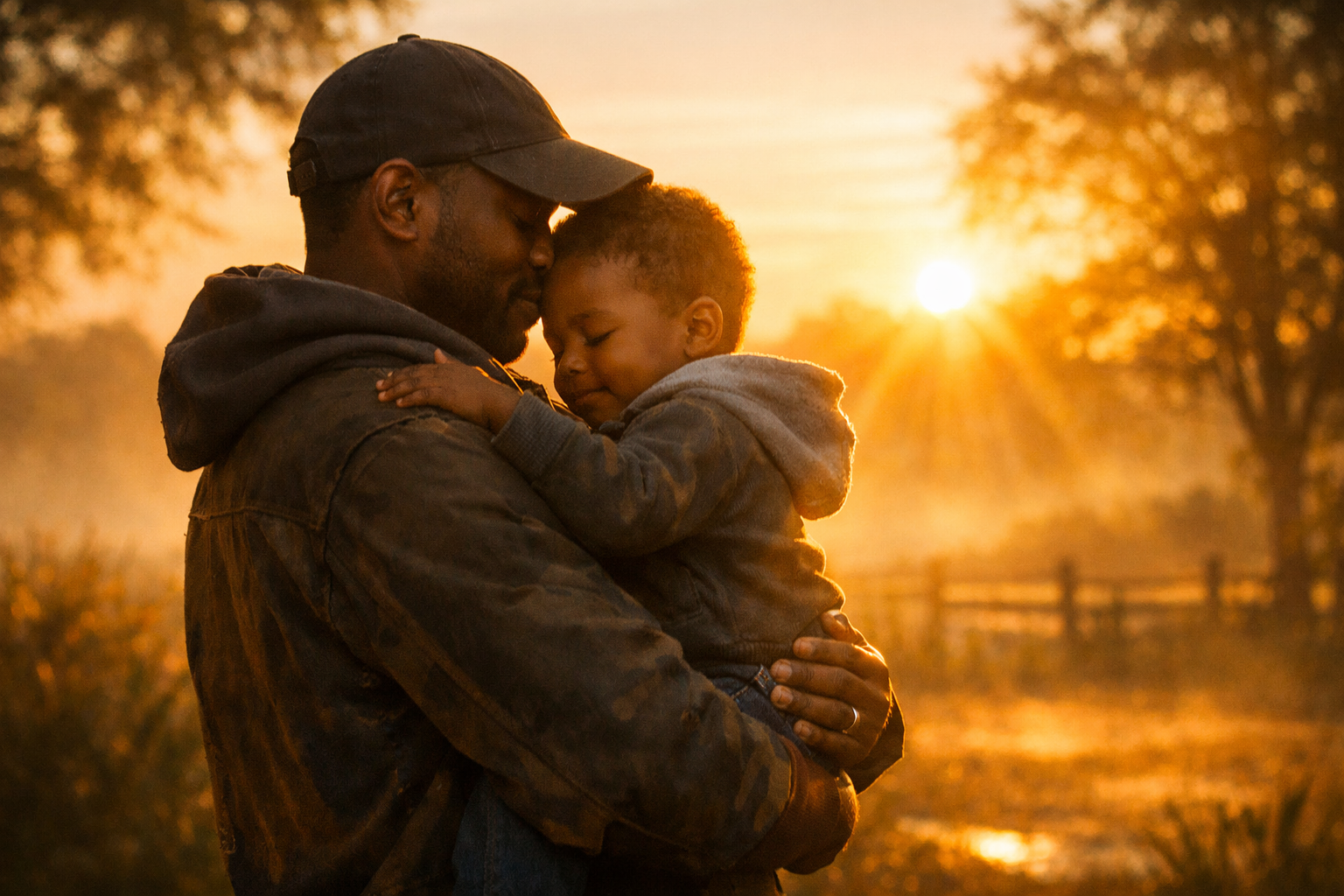
When you unplug, you rediscover presence. You begin to see the beauty in simple moments — the sound of birds, the warmth of sunlight, the rhythm of your own breathing. You start to feel life again, not just scroll through it. You start to hear God’s voice again, not just everyone else’s. Silence becomes a sanctuary, not a void. Stillness becomes strength, not weakness. You realize that peace doesn’t come from what you consume; it comes from what you release.
Unplugging is not just about turning off devices; it’s about turning inward. It’s about asking yourself, “What am I feeding my spirit?” It’s about recognizing that constant stimulation can suffocate revelation. God often speaks in whispers, not in noise. He moves in quiet moments, not in chaos. When you unplug, you create space for Him to speak. You make room for clarity, creativity, and conviction. You begin to hear what truly matters — not the world’s opinions, but heaven’s direction.
Learning to unplug also means setting boundaries. You don’t owe the world constant access to your attention. You don’t have to respond instantly, post daily, or share everything. You are allowed to rest. You are allowed to be unavailable. You are allowed to protect your peace. Boundaries are not selfish; they’re sacred. They remind you that your time is holy and your energy is precious. When you unplug, you reclaim control over your atmosphere.
The Bible says, “Be still and know that I am God.” Stillness is not inactivity; it’s intimacy. It’s the posture of trust. It’s the moment when you stop striving and start surrendering. When you unplug, you practice stillness — not as escape, but as encounter. You stop running from silence and start resting in it. You realize that peace is not found in productivity; it’s found in presence. You stop chasing connection and start cultivating communion.
Unplugging also heals your relationships. When you’re constantly online, you can be everywhere and nowhere at the same time. You can be connected to thousands yet disconnected from the person sitting next to you. Learning to unplug means choosing depth over distance. It means putting down your phone and picking up conversation. It means looking people in the eyes instead of through screens. It means listening with your heart, not just your ears. It means being fully present — because love requires attention.
There’s freedom in unplugging. It’s the freedom to rest without guilt, to breathe without pressure, to exist without performance. It’s the freedom to rediscover who you are apart from algorithms and opinions. It’s the freedom to remember that your identity is not curated — it’s created. You are not a brand; you are a soul. You are not a post; you are a person. You are not a follower count; you are a child of God. When you unplug, you return to that truth.
Unplugging also restores creativity. Constant consumption kills imagination. When you’re always absorbing, you stop creating. But when you unplug, your mind begins to breathe again. Ideas flow. Inspiration returns. You start to see beauty in ordinary things. You start to hear melodies in silence. You start to write, paint, build, and dream again. Creativity thrives in quiet. When you unplug, you give your spirit permission to create instead of compare.
Learning to unplug is an act of faith. It’s trusting that the world will keep spinning even when you step away. It’s believing that you don’t have to be everywhere to be effective. It’s knowing that God can handle what you’re afraid to miss. It’s surrendering control and embracing peace. When you unplug, you remind yourself that your worth is not in your activity but in your alignment. You stop chasing relevance and start resting in revelation.
Unplugging is also a form of self‑care. It’s how you recharge your spirit, renew your mind, and restore your focus. It’s how you detox from distraction and reconnect with direction. It’s how you remind yourself that rest is not laziness — it’s obedience. Even Jesus withdrew from the crowds to pray. He understood that solitude strengthens service. When you unplug, you follow His example. You step away not to escape, but to engage — with God, with peace, with purpose.
The truth is, you can’t hear divine instruction in constant interruption. You can’t receive revelation in perpetual distraction. You can’t experience peace in endless noise. Learning to unplug is learning to listen. It’s learning to slow down. It’s learning to breathe. It’s learning to trust that silence is not absence — it’s presence. It’s learning to rest in the rhythm of grace.
So today, unplug. Turn off the noise. Step outside. Sit in silence. Breathe deeply. Pray honestly. Listen intentionally. Let your soul rest. Let your mind reset. Let your spirit recharge. You don’t have to be everywhere, know everything, or respond to everyone. You just have to be present — with yourself, with God, with peace. The world will wait. Heaven won’t.
Scripture for Reflection:
“Be still, and know that I am God.” — Psalm 46:10