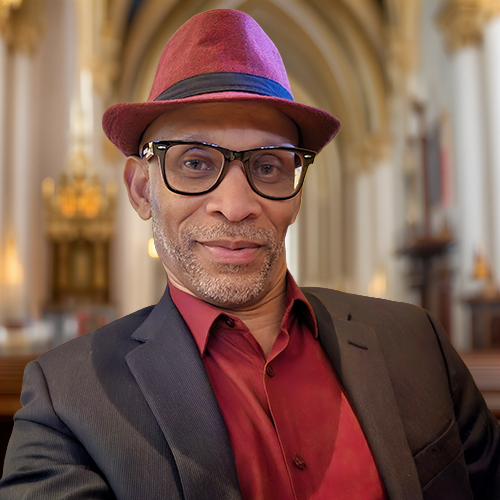

“Humility isn’t thinking less of yourself — it’s thinking of yourself less.”
Humility is one of those virtues that quietly transforms lives. It doesn’t demand attention, it doesn’t shout for recognition, and it doesn’t seek applause. Yet, it’s one of the most powerful forces for peace, growth, and connection. Being humble doesn’t mean denying your worth or pretending you’re less than you are — it means recognizing that your worth doesn’t make you greater than anyone else. It’s about balance, grace, and gratitude. It’s about knowing that every gift you have is meant to serve, not to boast. Humility is the gentle strength that allows you to stand tall without stepping on anyone, to shine without dimming others, and to lead without needing a spotlight.
In a world that celebrates pride, self-promotion, and competition, humility often feels countercultural. We’re told to stand out, to prove ourselves, to be the best. We’re encouraged to chase validation, to build platforms, to curate perfection. But humility whispers a different truth — that greatness isn’t found in being above others, but beside them. It’s found in listening instead of talking, in serving instead of demanding, in learning instead of assuming. It’s found in the quiet confidence that doesn’t need validation to feel valuable. Humility doesn’t shrink you; it centers you. It doesn’t silence you; it grounds you. It doesn’t erase your identity; it refines it.
Humility begins with self-awareness. It’s knowing your strengths without arrogance and your weaknesses without shame. It’s being honest about who you are — not inflated, not diminished, just real. A humble person doesn’t pretend to have all the answers; they remain open to learning. They understand that wisdom grows when ego shrinks. They can admit mistakes, accept feedback, and celebrate others without feeling threatened. That kind of humility builds trust, deepens relationships, and creates peace. It creates space for growth because it removes the pressure to pretend. It allows you to be human — imperfect, evolving, learning — without fear.
Being humble also means recognizing the source of your blessings. Every talent, opportunity, and success is a gift — not a guarantee. When you see life through that lens, gratitude becomes natural. You stop comparing and start appreciating. You stop competing and start collaborating. You stop chasing validation and start living with purpose. Gratitude and humility walk hand in hand; one reminds you of what you have, the other reminds you of how to use it. Together, they create a heart that is both grounded and generous.
Humility is not weakness — it’s strength under control. It’s the ability to stay grounded when life lifts you up and stay graceful when life knocks you down. It’s the quiet resilience that doesn’t need to prove anything. It’s the peace that comes from knowing who you are and whose you are. Pride builds walls; humility builds bridges. Pride isolates; humility connects. Pride demands; humility gives. And in giving, humility finds joy. It finds fulfillment not in being praised, but in being purposeful.
One of the most beautiful aspects of humility is how it changes the way we see others. When you’re humble, you stop judging and start understanding. You stop assuming and start listening. You stop competing and start encouraging. You begin to see people not as obstacles or comparisons, but as fellow travelers on the same journey. You realize that everyone has something to teach you — and that learning from others doesn’t make you smaller; it makes you wiser. Humility opens your eyes to the humanity in others, reminding you that every person carries a story, a struggle, and a strength worth honoring.
Humility also teaches patience. It reminds you that not everything needs to happen your way or on your timeline. It helps you accept that sometimes, God’s plan looks different from yours — and that’s okay. When you’re humble, you trust His timing. You trust His process. You trust that even when you don’t understand, He’s still working for your good. Pride says, “I know best.” Humility says, “God knows better.” Pride rushes; humility rests. Pride forces; humility flows.
There’s a quiet beauty in humility that the world often overlooks. It’s in the person who serves without seeking credit. It’s in the leader who listens before speaking. It’s in the friend who apologizes first. It’s in the parent who sacrifices silently. It’s in the believer who prays not for recognition, but for guidance. Humility doesn’t need a spotlight — it shines through character. It’s the glow that comes from a heart aligned with love, a spirit anchored in truth, and a soul surrendered to God.
Sometimes, life humbles us through experience. Failure, loss, rejection, or disappointment can strip away pride and remind us of our dependence on grace. Those moments, though painful, are sacred. They teach us compassion. They teach us empathy. They teach us that we’re all fragile, all learning, all growing. Being humbled isn’t punishment — it’s preparation. It’s God’s way of shaping us into people who can lead with love instead of ego. It’s His way of reminding us that strength isn’t found in perfection, but in surrender.
Humility also opens the door to forgiveness. When you’re humble, you can admit when you’re wrong. You can let go of grudges. You can extend grace even when it’s hard. Pride keeps score; humility lets go. Pride demands justice; humility seeks peace. Forgiveness is impossible without humility — because it requires you to release your right to be right. It requires you to value relationship over ego, healing over winning, and peace over pride.
In relationships, humility is the glue that holds love together. It allows you to listen, to compromise, to serve, to apologize. It reminds you that love isn’t about winning — it’s about understanding. It’s about choosing peace over pride, connection over control. When both people are humble, love becomes a partnership instead of a power struggle. It becomes a safe place instead of a battlefield. It becomes a space where both hearts can grow without fear.
Spiritually, humility is essential. Scripture reminds us that God opposes the proud but gives grace to the humble. When you’re humble before God, you acknowledge your need for Him. You stop trying to control everything and start trusting Him with everything. You realize that your strength comes from His strength, your wisdom from His Word, your peace from His presence. Humility is the posture of surrender — the place where transformation begins. It’s the soil where faith grows, where obedience deepens, and where purpose becomes clear.
Being humble doesn’t mean you think less of yourself; it means you think of yourself less. It means you focus on serving, loving, and uplifting others. It means you live with gratitude, grace, and gentleness. It means you walk through life knowing that every person you meet is worthy of respect, every blessing you receive is a gift, and every success you achieve is an opportunity to give glory to God. Humility frees you from the exhausting need to impress and allows you to simply be — authentic, grounded, and whole.
So today, choose humility. Choose to listen more and speak less. Choose to serve quietly. Choose to celebrate others. Choose to admit mistakes. Choose to forgive freely. Choose to be grateful. Choose to walk with grace. Because humility doesn’t just change how you see yourself — it changes how you see the world. It softens your heart, strengthens your spirit, and aligns your life with the rhythm of love.
Scripture for Reflection:
“Humble yourselves before the Lord, and He will lift you up.” — James 4:10