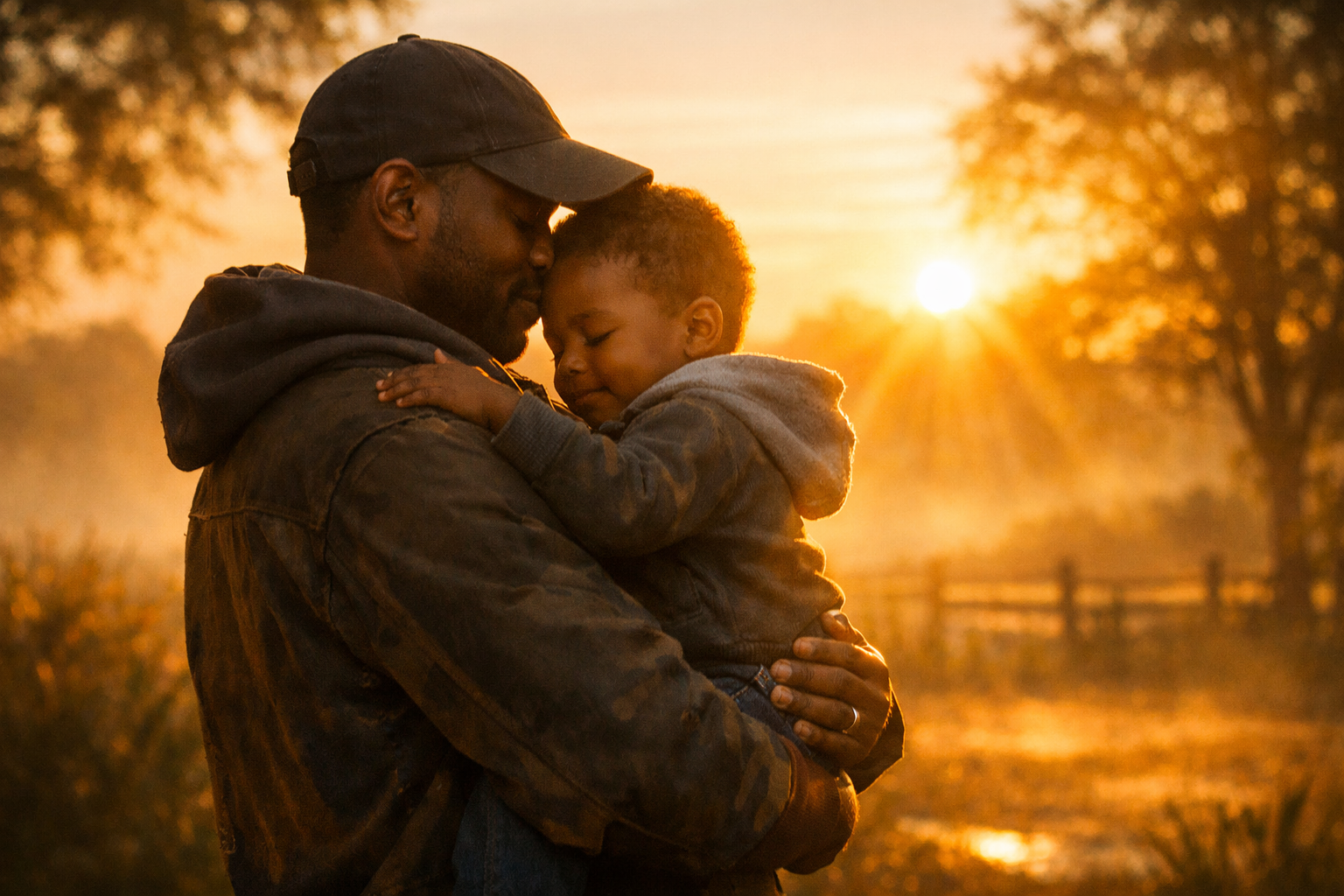

“Your mind is not a battlefield you have to fight alone — it’s a garden that needs tending, patience, and grace.”
There’s a quiet battle that many people fight every day — the one that happens inside their minds. It’s the struggle between peace and pressure, between hope and heaviness. We live in a world that glorifies productivity and perfection, yet rarely teaches us how to rest. We’re told to keep going, keep achieving, keep smiling — even when our hearts are tired. But mental health isn’t about pretending everything is fine; it’s about learning to care for yourself when it isn’t.
Taking care of your mental health means giving yourself permission to pause. It means recognizing that you are human — not a machine, not a superhero, not immune to exhaustion. You have limits, and that’s okay. You were never meant to carry the weight of the world alone. Sometimes, the most spiritual thing you can do is rest, breathe, and let God remind you that you’re still enough even when you’re not doing anything.
Life can be heavy. Between responsibilities, relationships, and expectations, it’s easy to feel overwhelmed. You wake up already thinking about what needs to be done, who needs you, and what you might be failing at. The mind becomes crowded with worry, and peace feels distant. But mental health begins with awareness — noticing when your thoughts are spiraling, when your body feels tense, when your emotions are crying out for attention.
Ignoring those signals doesn’t make them disappear; it makes them louder. The body keeps score, and the mind eventually demands rest. Caring for your mental health means listening before the breakdown. It means asking yourself, “What do I need right now?” and being honest about the answer. Sometimes you need solitude. Sometimes you need connection. Sometimes you need to cry, pray, or simply sit in silence. Whatever it is, give yourself permission to feel it.
Rest is not laziness — it’s medicine. It’s the way your mind resets and your spirit heals. Yet, rest is often the first thing we sacrifice when life gets busy. We push through exhaustion, telling ourselves we’ll slow down later. But later rarely comes. The truth is, you can’t pour from an empty cup. You can’t give peace if you don’t have it. You can’t love others well if you’re neglecting yourself.
Rest looks different for everyone. For some, it’s a quiet walk in nature. For others, it’s journaling, prayer, or listening to music. It might mean turning off your phone for a while or saying “no” to something that drains you. Rest is not just physical — it’s emotional and spiritual. It’s the act of stepping away from chaos to reconnect with calm. It’s choosing stillness over striving.
Mental health also thrives in connection. Isolation feeds anxiety and depression, while connection brings healing. We were created for relationship — with God and with each other. When you share your struggles, you break the power of shame. When you let someone in, you remind yourself that you’re not alone. Talking to a trusted friend, counselor, or pastor can be life‑changing. Sometimes, healing begins with a conversation.
It’s easy to believe that vulnerability is weakness, but it’s actually strength. It takes courage to say, “I’m not okay.” It takes humility to ask for help. But those moments of honesty open the door to restoration. You don’t have to have it all together. You just have to be willing to be real. The people who love you don’t need your perfection — they need your presence.
Gratitude is one of the most powerful tools for mental health. It shifts your focus from what’s wrong to what’s right, from what’s missing to what’s present. When you start counting blessings instead of burdens, your perspective changes. Gratitude doesn’t erase pain, but it reminds you that even in pain, there is still goodness. It’s the practice of saying, “I may not have everything I want, but I have more than enough to be thankful for.”
Try writing down three things you’re grateful for each day. They don’t have to be big — a warm meal, a kind word, a moment of laughter. Gratitude rewires the brain to notice beauty in ordinary places. It teaches you that joy isn’t found in perfection; it’s found in presence. When you live with gratitude, peace becomes easier to find.
Faith plays a vital role in mental wellness. It reminds you that you’re not alone in your struggle. It gives meaning to pain and hope to healing. When life feels overwhelming, prayer becomes a lifeline — a way to release what you can’t control and trust that God is still working. Faith doesn’t eliminate anxiety, but it anchors you through it. It whispers, “You are held, even here.”
There’s comfort in knowing that God cares about your mental health just as much as your spiritual health. He created your mind, your emotions, and your heart. He understands your fears and frustrations. When you bring your worries to Him, you’re not burdening Him — you’re obeying Him. Scripture says, “Cast all your anxiety on Him because He cares for you.” That’s not just advice; it’s an invitation to rest in divine compassion.
Taking care of your mental health doesn’t require grand gestures. It’s built through small, consistent choices. Eat nourishing food. Move your body. Get enough sleep. Spend time in nature. Limit negativity — whether it’s toxic relationships, endless news cycles, or self‑criticism. Speak kindly to yourself. You are doing better than you think.
Healing is not linear. Some days you’ll feel strong; other days you’ll feel fragile. That’s okay. Progress is not measured by perfection but by persistence. Every time you choose peace over panic, rest over rush, faith over fear — you’re healing. Every time you forgive yourself for being human, you’re growing.
There’s no shame in seeking professional help. Therapy, counseling, or support groups can provide tools and perspective that faith alone may not. God often works through people — through doctors, therapists, and friends who carry wisdom and compassion. Asking for help doesn’t mean you’re weak; it means you’re wise enough to care for yourself. Mental health is not a solo journey. It’s a shared one.
Mental health is not a destination; it’s a daily practice. It’s choosing peace one moment at a time. It’s learning to breathe through stress, to forgive yourself for mistakes, to find beauty in small things. It’s remembering that you are loved — deeply, unconditionally, eternally. You don’t have to earn rest or prove worth. You already have both.
So today, take a deep breath. Step outside. Feel the sunlight on your face. Thank God for another chance to live, to grow, to heal. You are doing sacred work every time you care for your mind and nurture your soul. You are building resilience, one act of kindness toward yourself at a time.
Scripture for Reflection:
"Come to me, all you who are weary and burdened, and I will give you rest.” — Matthew 11:28